Loading component...

Burn Awareness

Loading component...

Loading component...


Burn Prevention Materials

Have fun while learning about burn prevention with Boots N' Brewster. Our complimentary burn prevention materials include age-appropriate activity books, posters, fact cards and tip sheets. Our tip sheets can be downloaded and printed. Other materials are available through our online ordering system.

Loading component...

Loading component...

Loading component...

Be Burn Aware: Kitchen Safety

Be Burn Aware: Kitchen Safety

Learn how to be safer in the kitchen with these burn awareness safety tips from Shriners Children's!
View Transcript

[Slide 1]

Shriners Children's logo. Be Burn Aware. Safety in the Kitchen.

Fezzy:

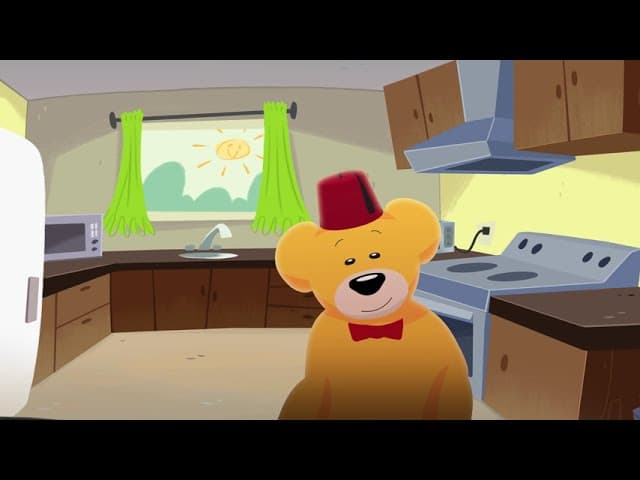
Hi there, my amazing friends. It's me, Fezzy from Shriner's Children's, here to talk about being burn-aware. Of course, we all know the kitchen can be a special place where grown-ups make yummy food, but it's also a place to be very careful. So listen up for some safety tips to help you stay safe.

First, stoves, ovens, or even toasters can be hot, so never touch them. They can burn your paws, I mean hands. Always ask a grown-up for help around these possibly hot things. And remember, even if you see a pot handle sticking out on the stove or counter, never touch or grab it. It could tip over and spill hot contents. Kids, if you want to help around the kitchen, that's awesome. You can stir cool things, wash veggies, or set the table, but stay safe away from the heat. And parents, the National Fire Protection Association, NFPA, says a kitchen should have a kid-free zone at least three feet from the stove, or other areas where hot food is prepared.

[Slide 2]

Fezzy:

If you do experience a minor burn, use cool running water for 20 minutes, then seek medical attention as needed, For serious burns, seek medical help immediately. Fezzy's Tips.

There are also some safety measures you should take around appliances in the kitchen. First, it's really important to keep electrical cords away from the edge of the counter. If knocked over, anything electric can cause a shock and burns. Many of us have microwaves to warm up our food and snacks, but be careful here too. Grown-ups, always use a microwave-safe container and be extra careful when removing contents after cooking. Watch out for hot steam and keep containers level to avoid spills.

[Slide 3]

Be Burn Aware. Learn even more at BeBurnAware.org.

Fezzy:

Friends, thanks for listening and always remember to be burn aware.

Be Burn Aware: Bathroom Safety

Be Burn Aware: Bathroom Safety

Learn about how to be safer in the bathroom and avoid burn injuries with these safety tips for Shriners Children's!
View Transcript

[Slide 1]

Shriners Children's logo. Be Burn Aware. Safety from Scalds.

Fezzy:

Hi there, my amazing friends. It's me, Fezzy, from Shriners Children's, here to talk about being burn aware at bath time. Did you know that water above 120 degrees can cause serious burns?

[Slide 2]

Continuous supervision of young children is the most important factor in preventing tap water scald burns. Fezzy's Tips.

Fezzy:

It's really important that grown-ups always check the water temperature before you get into the tub.

Remember, friends, when the tub is filled, we should turn on cold water first, and then add warm until it's just right. Kiddos, be sure to sit on the opposite side of the tub away from the faucets. And you should never, ever use electronics near water. Electrical appliances near water can be just as dangerous as fire, even the hairdryer. That's just going to have to wait until you are out of the tub and fully dried off.

[Slide 3]

Be Burn Aware. Learn even more at BeBurnAware.org.

Fezzy:

Friends, thanks for listening, and always remember to be burn aware.

Be Burn Aware: Gasoline Safety

Be Burn Aware: Gasoline Safety

Learn how to be safer around the house with these gasoline safety tips from Shriners Children's!
View Transcript

[Slide 1]

Shriners Children's logo. Be Burn Aware. Safety Around the Home.

Fezzy:

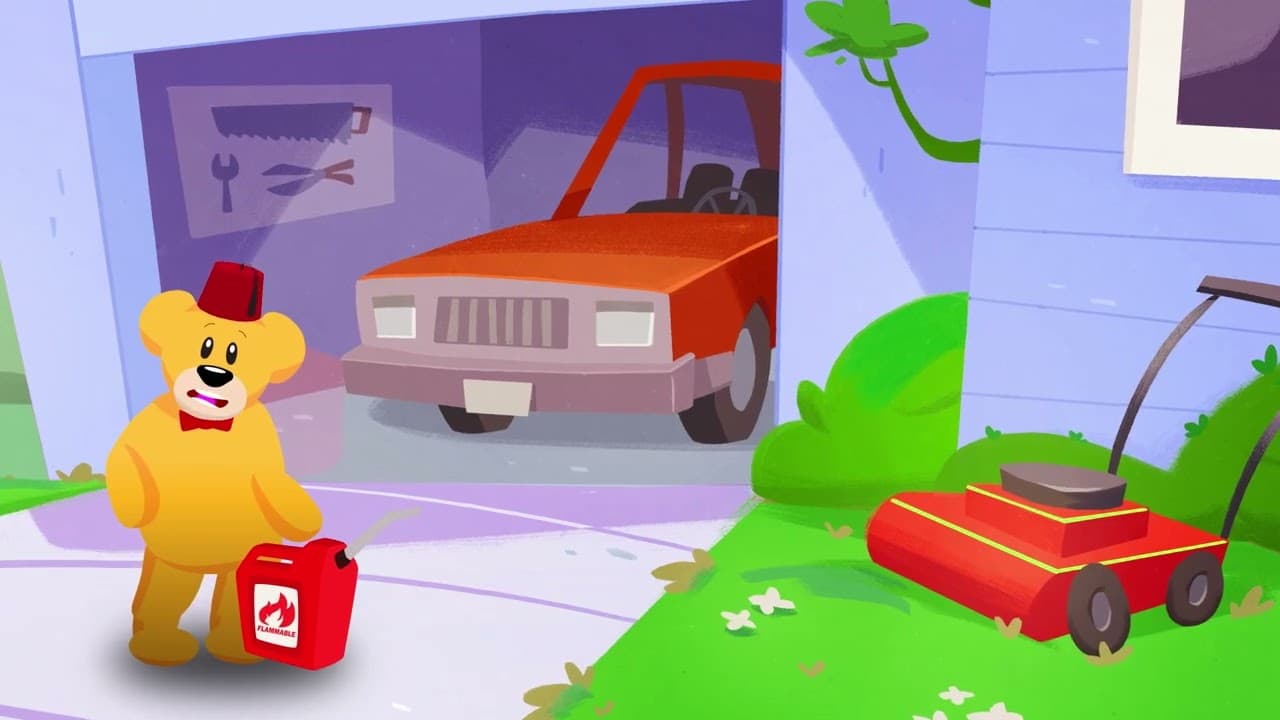
Hi there, my amazing friends. It's me, Fezzy, from Shriners Children's, here to talk about being burn aware around gasoline, a flammable substance. Flammable means a substance that can easily catch fire. This red can contains gasoline. Don't ever play with it, but especially keep it far away from flames or matches. It's only supposed to be used to fuel real engines. It should never be used for any other purpose. In fact, it should never be stored inside your house. If you ever smell gasoline vapors, leave the area and tell an adult.

[Slide 2]

Be Burn Aware. Learn even more at BeBurnAware.org.

Fezzy:

Friends, thanks for listening, and always remember to be burn aware.

Be Burn Aware: Family Emergency Plan

Be Burn Aware: Family Emergency Plan

Be safer around the home with a family emergency plan and more burn safety tips from Shriners Children's!
View Transcript

[Slide 1]

Shriners Children's logo. Be Burn Aware. Keeping Children Safe.

Fezzy:

Hi there, my amazing friends. It's me, Fezzy, from Shriners Children's and I hope you've seen all my videos on how to stay safe in the kitchen, the bathroom, and around flammable contents like gasoline. It's important to know that if an emergency does occur, you and your family have a fire escape plan.

[Slide 2]

Develop a home fire escape plan. Making a plan before a fire occurs can be life-saving. Use a sticker sheet to map out your home and draw key exits and rooms as needed with pencil. Mark TWO EXITS from each room (windows or doors). Set a designated MEETING PLACE at a safe distance outside your home. PRACTICE YOUR PLAN TOGETHER. Be Burn Aware. Learn even more at BeBurnAware.org.

Fezzy:

Talk as a family to identify two exits from each room and decide on a designated meeting place outside at a safe distance from the home, and practice the plan. And here's a few tips for added safety. It's recommended that you have a fire extinguisher at home that's easily accessible in the kitchen and to check its expiration date. And it's a great idea to know where your home's smoke detectors are located. If they ever set off or if you smell smoke or see fire, you should leave the house.

First, get to safety and then call 9-1-1 or tell an adult in an emergency.

[Slide 3]

Be Burn Aware. Learn even more at BeBurnAware.org.

Fezzy:

Friends, thanks for listening and always remember to be burn aware.

1:57
Be Burn Aware: Kitchen Safety
1:06
Be Burn Aware: Bathroom Safety
0:51
Be Burn Aware: Gasoline Safety
1:08
Be Burn Aware: Family Emergency Plan

Year-round burn prevention

Be Burn Aware

Every day, hundreds of children are taken to emergency rooms with burn injuries. Learn how you can prevent injuries from fires, scalds, electrical sources and other risks in the home.

Flame image with awareness ribbon

Electrical Safety

In 2014–2018, electrical distribution or lighting equipment (wiring, lighting, cords, and plugs), were involved in an estimated average of roughly 34,000 reported home structure fires per year. These incidents caused an average of 470 civilian deaths and 1,100 civilian injuries.

Remembering a few basic safety tips can help keep you and your children safe.

Download Be Safe Around Electricity tip sheet

Child near electrical plug of portable air unit

Fire Safety

Most home fires and fire casualties result from: cooking, heating equipment, electrical distribution and lighting equipment, intentional fire setting, and smoking materials

Fires and burns are the third leading cause of deaths that occur in the home, the third-leading cause of injury-related fatalities among children ages 1–9, and the fourth most prevalent cause for children ages 10–14 in the U.S. Many could be prevented by following some prevention tips and precautions.

Download Keep Children from Fire tip sheet

Candles starting a fire around centerpiece

Home Safety

Shriners Children's wants children and families to "Be Burn Aware," especially at home.

Thousands of children sustain burn injuries in their homes every year. Many of these injuries could have been prevented. Here are some safety tips to help keep your children – and you – safe at home.

Download Safety Begins at Home tip sheet

Child touching household cleaning bottles

Scald Safety

Scald burns (caused by hot liquids, steam or foods) are the most common burn injury among children ages 4 and younger. According to Safe Kids Worldwide, fire/burn-related injuries are among the leading 10 causes of unintentional injury in children ages 0 to 5, with children under 2 being at greatest risk.

Many of these burns could have been prevented.

Download Keep Children Safe From Scalds Tip sheet

Small child looking up at pan handle on stove
fpofullcta1-new-ashx

We Understand the Unique Medical Needs of Children

We provide vital, pioneering treatment from birth to age 18. Here, children have the opportunity to be evaluated and treated by doctors recognized as the best by their peers.

Loading component...